Imamia Medics International Silver Jubilee Celebration in SF Bay Area - page two
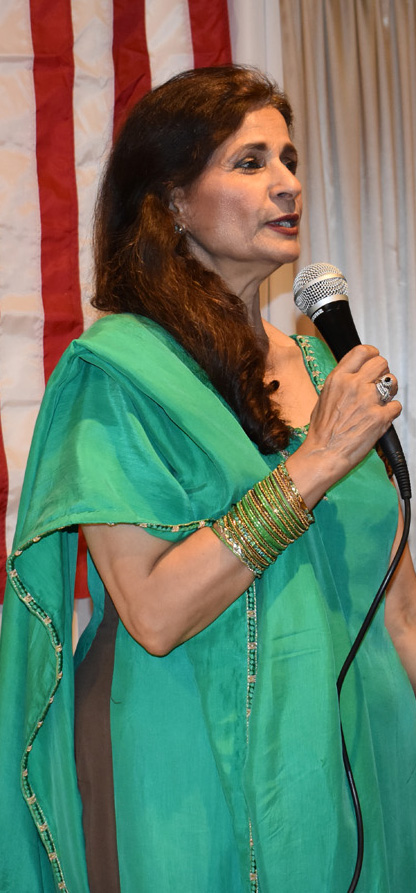
Dr. Shehla Naqvi
The second session of the Silver Jubilee celebration was dedicated to poetry.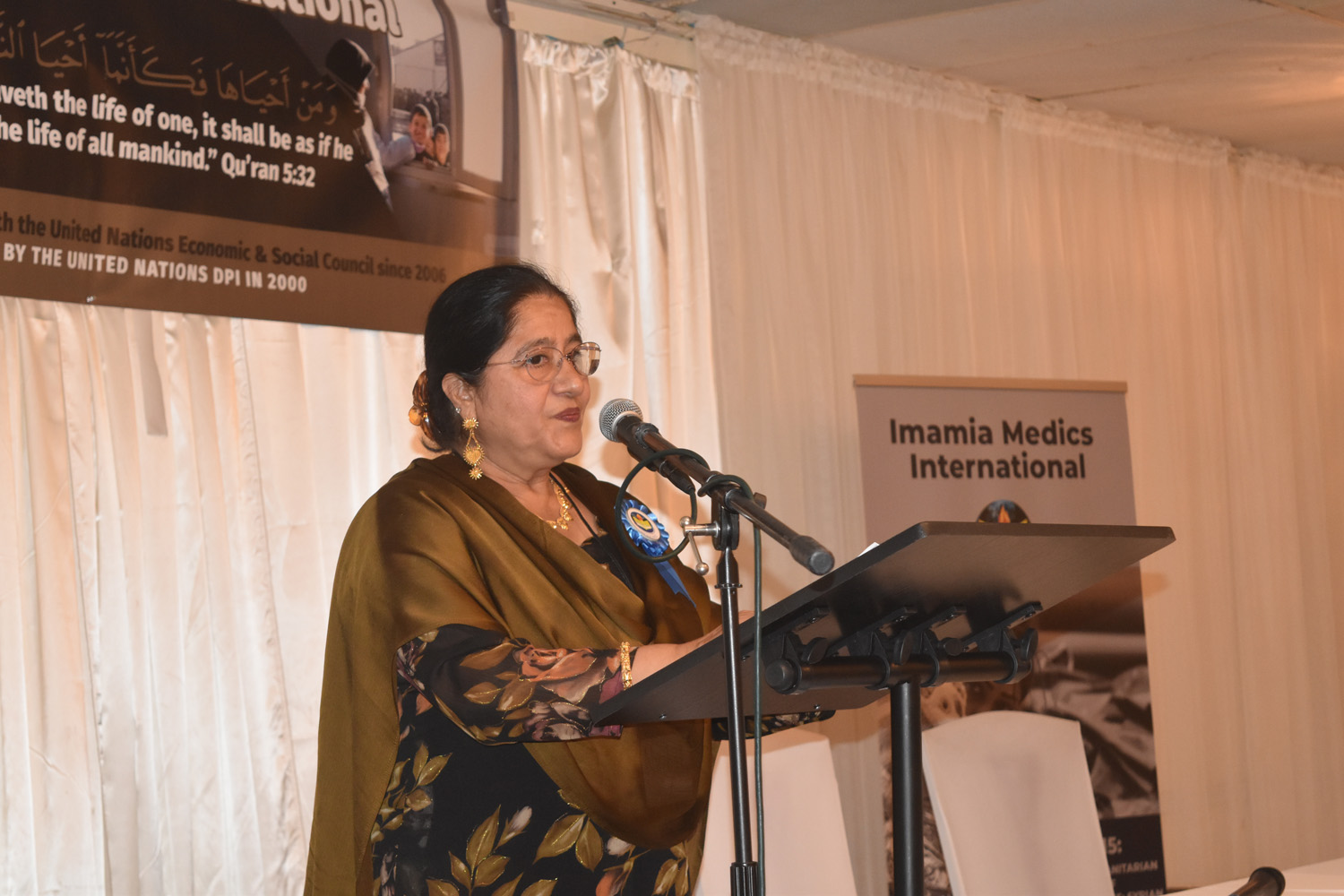
Dr. Nuzhat Zaidi introduced Dr. Shehla Naqvi who is also an excellent prose and poetry writer. She was very active member of Young Writers’ Forum Karachi.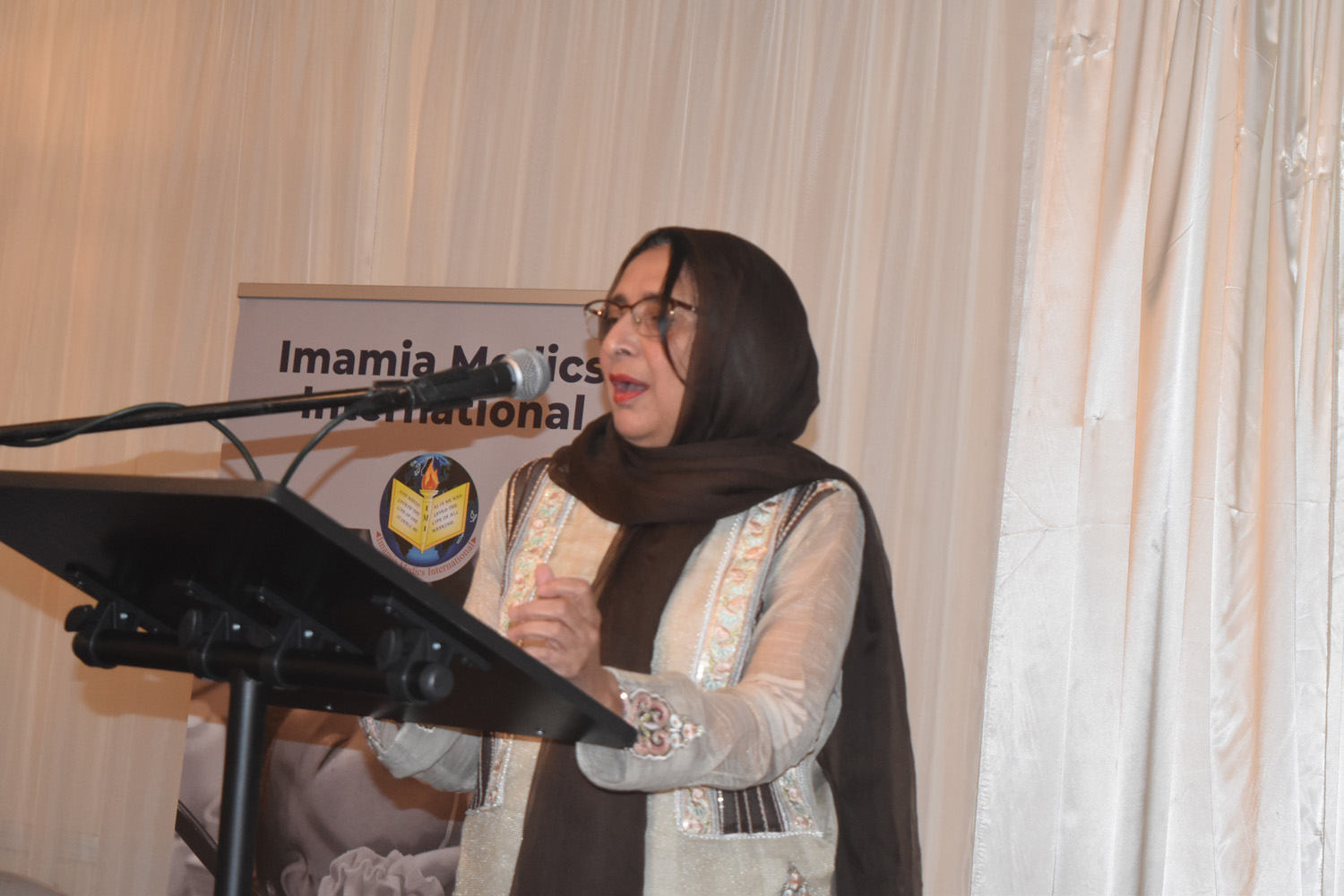
Dr. Shehla Naqvi received her medical degree from Dow Medical College, Dow University Of Health Sciences. She is now working as a pediatric infectious disease specialist in Mount Vernon, New York.
She is Sahiba-e-Deewan since she has published one collection of her poetry under the title “Nakhl-e-Maryam.” Another poetical collection “Parindon Kee Aawaaz” is now under production.
Dr. Shehla Naqvi has also published a collection of her short stories under the title “Aawaazon Kaa Shor.”
At present she is writing two novels, one in Urdu and another in English language.
Dr. Shehla Naqvi captivated the audience with her presentation of Qaseeda for Bi Bi Fatema. She also mesmerized the audience with a poem “Bojh” about the responsibility of women in our society. Dr. Shehla Naqvi also recited her insightful ghazals.
Mazar Bhopali
Internationally acclaim poet Manzar Bhopali was the chief guest of the event. MC Maryam Turab introduced Manzar Bhopali who was born in December 1959 in Amrawati, Maharashtra, India.
Manzar Bhopali is pen name. His name is Syed Ali Raza. His father, Mir Abbas Ali Rizvi, worked in art and literature. He was also a poet. His mother, Tahira Nikhat was a teacher.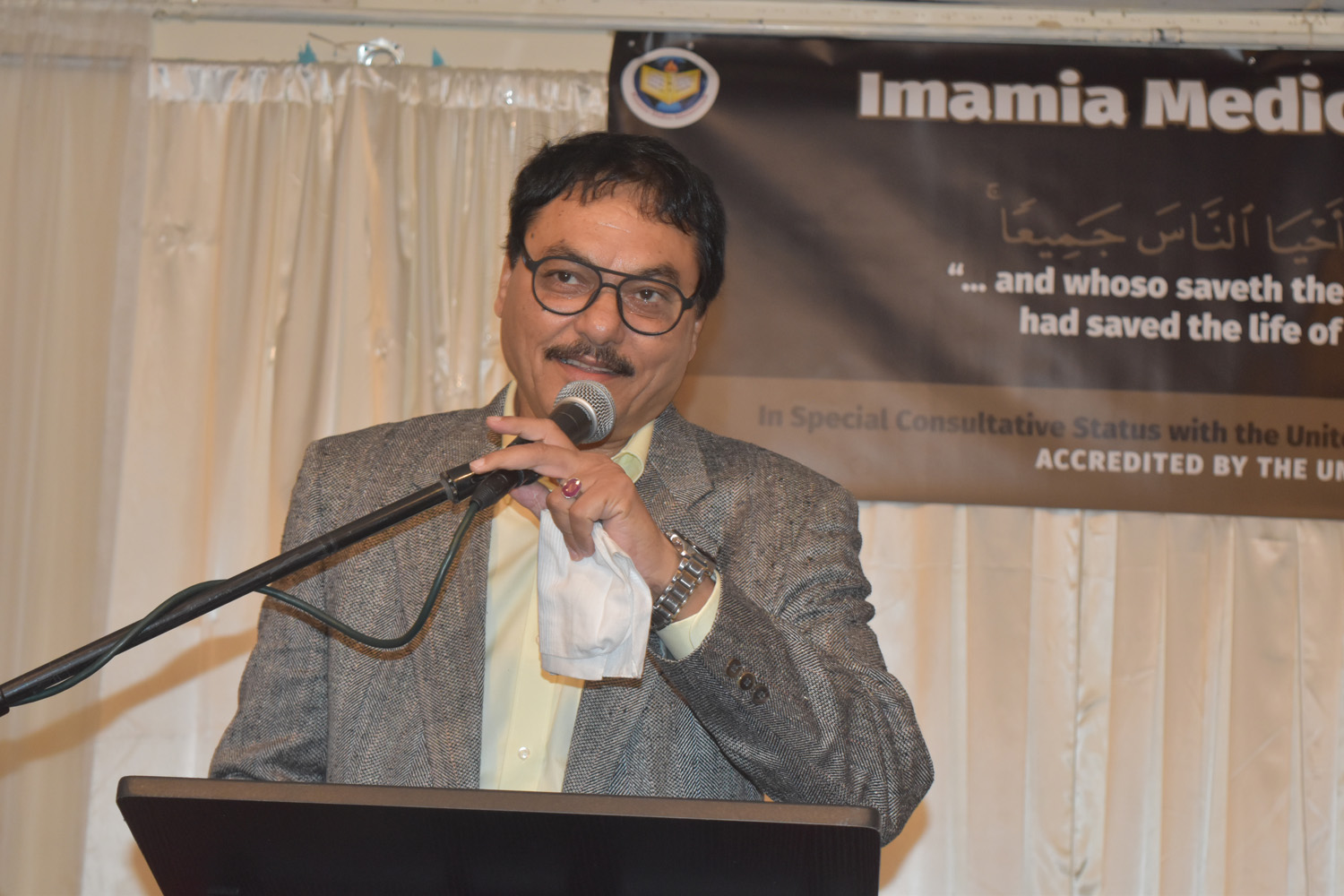
During his teenage years, Manzar started taking interest in poetry and attended his first Mushaira at the age of 17. Over the course of 3 decades, he has penned more than a dozen books in Hindi and Urdu.
In a career spanning three decades, Manzar has recited his poems in thousands of Mushairas in 5 continent and more than 30 countries. He has published several books, in Urdu, Hindi, and English.
Manzar has been honored with several awards, both in India and Abroad. He was given the honorary citizenship of Louisville, Kentucky and was felicitated with the key to the city.
For more than one hour, Manzar captivated the audience with his poetry which included ‘manqabat,’ ghazals and poem.
One of Manzar’s poem about the plight of Urdu language is very popular.
Plight of Urdu in India
The future of Urdu seemed bleak. It became a victim of linguistic segregation under the campaign of the Hindi nationalist movement, according to Shahzaman Haque, Co-director of the Department of South Asia and Himalaya at Institut des langues et civilisations orientales (INALCO), Paris.
In an article published by The Diplomat, Shahzaman Haque writes: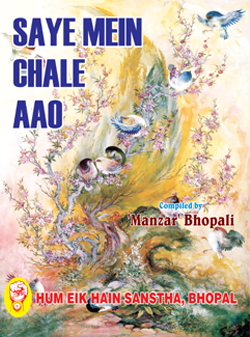
“More recently, when the Bhartiya Janta Party (BJP) government came to power in Rajasthan in 2013, it merged Urdu-medium schools to the benefit of Hindi-medium schools, developments that were reported by Shruti Jain. The recruitment of Urdu teachers was subsequently postponed and exam papers were no longer available in Urdu for public primary schools in Rajasthan. In 2016, the same Rajasthan government removed Urdu author Ismat Chughtai from the Class VIII Hindi textbook.
“In 2017, two Muslim members of the Uttar Pradesh legislative assembly were denied permission to take the oath in Urdu, the second official language of the state. In December of the same year, a Bahujan Samaj Party member was charged for offending religious sentiments when he took his oath in Urdu.
Linguistic landscape and city names in Urdu or connected with Islamic heritage have also come under attack from Hindi chauvinist politicians since 2014. The name of the famous emblematic railway station, Mughal Sarai, was metamorphosed into Deen Dyal Upadhya following a chilling fervor by nationalist extremists, just to name one major example. Other examples include Mustafabad being renamed Saraswati Nagar in 2016 and Allahabad being renamed Prayagraj in 2018 by BJP-led governments. The proposal for changing the name of Ahmedabad, a UNESCO World Heritage City, into Karnavati has been a dream of the same crowd since 1990.
The argument of Hindi chauvinists is that Urdu has greatly deviated from its original Sanskrit roots, and it needs to be brought back to its original forms, echoing the gharwaapsi of the converted Muslims. Such a claim is absurd, for though the languages of Hindi and Urdu have a shared history going back some seven centuries, how can one ignore the evolution (lexical, syntactic, and scriptural) over these years, resulting in two extensively divergent written codes?